• Instagram
  • Facebook
1855 613 4773
Entrepreneur en Béton | Les Services de Béton Universel Ltée (Entrepôt / Warehouse)
  • Home
  • Concrete Machine Foundation Construction
  • Concrete Parking Garage Repair Contractor
  • Concrete Repair & Maintenance Projects
  • Concrete Sawing Contractor
  • Concrete Surface Preparation
  • Pyrite Decontamination
  • Projects
  • Contact Us
  • Search
  • Menu Menu
Français

Industrial Concrete Contractor
(Projects)

1855 613 4773
Request Information

Premier Industrial Concrete Contractor Services Across Quebec Province

Transform your industrial project with Quebec’s most trusted concrete specialists. From Montreal to Quebec City and beyond, we deliver exceptional industrial concrete solutions that stand the test of time.

Why Choose Our Industrial Concrete Services in Quebec?

When your industrial project demands precision, durability, and expertise, you need a contractor who understands Quebec’s unique construction challenges. Our team combines decades of experience with cutting-edge techniques to deliver superior results for warehouses, manufacturing facilities, distribution centers, and heavy industrial applications throughout the province.

Unmatched Expertise in Industrial Concrete Applications

Our specialized services cover every aspect of industrial concrete construction:

• Heavy-duty industrial flooring – Built to withstand extreme loads and constant traffic

• Warehouse concrete slabs – Precision-leveled surfaces for optimal equipment operation

• Manufacturing facility reinforced concrete foundations – Engineered for stability and long-term performance

• Loading dock construction – Durable solutions for high-impact commercial use

• Concrete repair and restoration – Extending the life of existing industrial structures

Comprehensive Industrial Concrete Solutions

Foundation and Structural Work

Your industrial facility’s foundation is critical to operational success. We specialize in:

  • Deep foundation systems for heavy machinery
  • Reinforced concrete structures for maximum load-bearing capacity
  • Seismic-resistant designs complying with Quebec building codes
  • Custom concrete solutions for unique industrial requirements

High-Performance Industrial Flooring

Our industrial flooring systems are engineered for demanding environments:

  • Polished concrete floors with superior durability and low maintenance
  • Epoxy-coated surfaces for chemical resistance and easy cleaning
  • Anti-slip textures for enhanced workplace safety
  • Joint-free construction minimizing maintenance and maximizing hygiene

Serving All of Quebec Province

Based at 1010 Rue Sainte-Catherine E #506, Montreal, Quebec H2L 2G3, Canada, we proudly serve industrial clients across the entire province. Our strategic Montreal location allows us to efficiently reach:

  • Greater Montreal Metropolitan Area
  • Quebec City and surrounding regions
  • Sherbrooke and Eastern Townships
  • Trois-Rivières and Mauricie region
  • Saguenay-Lac-Saint-Jean
  • Outaouais and Abitibi-Témiscamingue

Advanced Technology and Quality Materials

We utilize the latest concrete technology and premium materials to ensure superior results:

State-of-the-Art Equipment

  • Laser-guided screeding systems for perfect level floors
  • High-capacity concrete pumps for efficient placement
  • Advanced curing systems for optimal strength development
  • Precision concrete cutting and concrete finishing tools

Premium Concrete Mixes

  • High-strength concrete formulations
  • Fiber-reinforced options for enhanced durability
  • Fast-setting mixes for minimal downtime
  • Specialized additives for extreme weather conditions

Proven Track Record Across Quebec Industries

Our portfolio spans diverse industrial sectors throughout Quebec:

Manufacturing Excellence

  • Automotive parts facilities
  • Food processing plants
  • Pharmaceutical manufacturing
  • Electronics assembly operations

Distribution and Logistics

  • Major distribution centers
  • Cold storage facilities
  • Cross-docking terminals
  • E-commerce fulfillment centers

Heavy Industry Projects

  • Mining operations
  • Steel fabrication facilities
  • Chemical processing plants
  • Power generation facilities

Why Quebec Businesses Trust Our Concrete Services

Local Expertise, Provincial Reach

Operating from our Montreal headquarters at 1801 Rue Chicoine #5, Vaudreuil-Dorion QC, J7V 8P2, Canada – we understand Quebec’s unique construction environment:

  • Extreme temperature variations and freeze-thaw cycles
  • Provincial building codes and regulations
  • Local supplier networks for optimal material sourcing
  • Bilingual communication in French and English

Commitment to Excellence

  • Licensed and insured for complete peace of mind
  • Certified technicians with specialized industrial training
  • Quality guarantee on all workmanship and materials
  • On-time project completion to minimize operational disruption

Comprehensive Project Management

From initial consultation to final inspection, we manage every aspect of your industrial concrete project:

Pre-Construction Phase

  • Site analysis and soil testing
  • Engineering consultation and design optimization
  • Permit assistance and regulatory compliance
  • Detailed project timeline and cost estimates

Construction Excellence

  • Professional project management
  • Daily progress reporting
  • Quality control at every stage
  • Safety protocols exceeding industry standards

Post-Construction Support

  • Comprehensive warranty coverage
  • Maintenance recommendations
  • Emergency repair services
  • Long-term partnership for future projects

Get Your Free Industrial Concrete Consultation

Ready to discuss your industrial concrete project? Our expert team is standing by to provide personalized solutions for your Quebec facility.

Contact us today for:

  • Free on-site consultation and estimate
  • Custom engineering solutions
  • Project timeline and budget planning
  • References from similar industrial projects

Schedule Your Consultation

Don’t let concrete challenges delay your industrial project. With our proven expertise and strategic location at 1801 Rue Chicoine #5, Vaudreuil-Dorion QC, J7V 8P2, Canada, we’re perfectly positioned to serve your industrial concrete needs anywhere in Quebec province.

Call now to speak with our industrial concrete specialists and discover why leading Quebec businesses choose us for their most critical concrete repair projects.

Transform your industrial vision into reality with Quebec’s premier concrete contractors. Excellence delivered, on time and on budget.
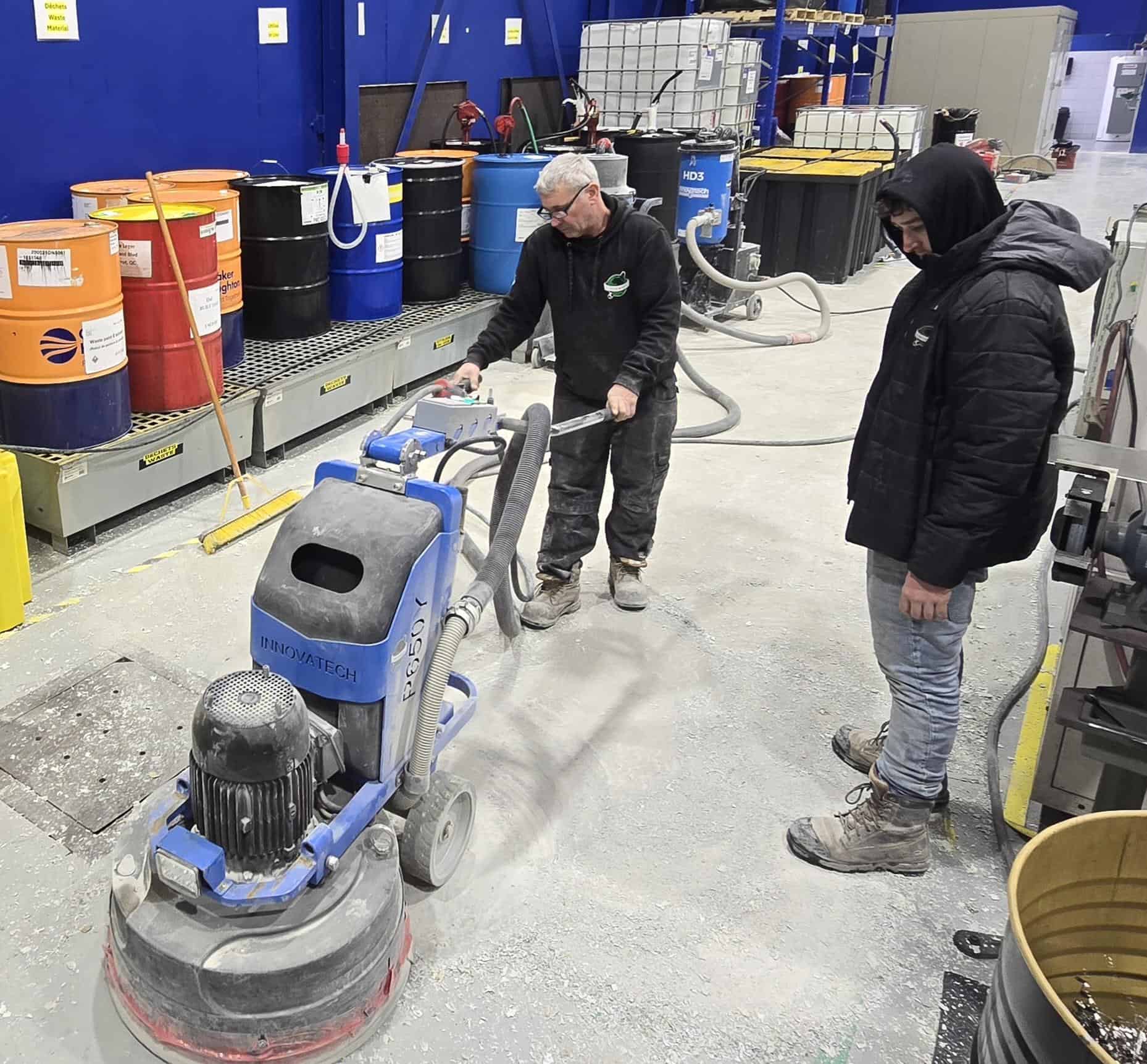
Industrial Concrete Slab Grinding: Complete Guide to Professional Floor Preparation Industrial concrete slab grinding has become an essential process for businesses looking to achieve smooth, level, and durable concrete surfaces. Whether you're preparing floors for new coatings, removing imperfections, or creating specific surface profiles, understanding the intricacies of this specialized technique is crucial for successful project outcomes. What is Industrial Concrete Slab Grinding? Industrial concrete slab grinding is a mechanical process that uses specialized diamond grinding equipment to remove surface irregularities, coatings, and contaminants from concrete floors. This technique involves using rotating diamond-embedded discs or segments to systematically abrade the concrete surface, creating a uniform and properly prepared substrate. The process serves multiple purposes in industrial settings: Surface leveling and smoothing Removal of existing coatings or sealers Creation of specific surface profiles for adhesion Elimination of surface defects and imperfections Preparation for new flooring systems When Do You Need Industrial Concrete Slab Grinding? Surface Preparation Requirements Industrial concrete slab grinding becomes necessary in several scenarios: New Construction Projects: Removing construction debris and surface contamination Eliminating high spots and ridges from concrete pours Creating proper surface profiles for coating adhesion Achieving specified flatness tolerances Renovation and Maintenance: Removing old paint, epoxy, or other floor coatings Correcting uneven or damaged concrete surfaces Preparing floors for new industrial coatings Addressing surface wear and deterioration Industry-Specific Applications Different industries have unique requirements for industrial concrete slab grinding: Manufacturing Facilities: Heavy machinery requires perfectly level surfaces Chemical resistance preparations Anti-slip surface creation Warehouses and Distribution Centers: High-traffic area preparation Forklift-resistant surface creation Dust reduction requirements Food Processing Plants: Sanitary surface preparation Seamless floor requirements Chemical-resistant coating preparation The Industrial Concrete Slab Grinding Process Equipment and Tools Professional industrial concrete slab grinding requires specialized equipment: Primary Grinding Equipment: Walk-behind concrete grinders (7-27 HP) Ride-on grinding machines (25-75 HP) Planetary grinding systems Edge grinders for perimeter work Diamond Tooling: Metal-bonded diamond segments for aggressive grinding Resin-bonded diamonds for fine finishing Various grit sizes (16-3000 grit) Specialized profiles for different applications Support Equipment: Industrial dust collection systems Surface preparation tools Measuring and leveling instruments Safety equipment and protective gear Step-by-Step Process Phase 1: Assessment and Preparation Before beginning industrial concrete slab grinding, thorough preparation is essential: Surface Inspection: Identify high and low spots Locate existing coatings or contaminants Check for structural issues or cracks Determine required surface profile Area Preparation: Remove all furniture and equipment Clean the surface of debris and loose materials Protect adjacent areas and equipment Ensure proper ventilation Phase 2: Initial Grinding The actual industrial concrete slab grinding process begins with: Coarse Grinding: Use aggressive diamond tooling (16-40 grit) Remove major imperfections and coatings Establish initial surface profile Work in systematic patterns Progressive Refinement: Gradually move to finer grits (80-120 grit) Smooth out grinding marks Achieve desired surface profile Maintain consistent overlap patterns Phase 3: Final Processing The completion of industrial concrete slab grinding involves: Fine Grinding: Use fine diamond tooling (200-400 grit) Remove all visible grinding marks Achieve specified smoothness Prepare for coating application Quality Control: Measure surface flatness Check for remaining imperfections Verify surface profile requirements Document completion standards Benefits of Professional Industrial Concrete Slab Grinding Enhanced Durability Properly executed industrial concrete slab grinding provides numerous advantages: Improved Surface Integrity: Eliminates weak surface layers Creates uniform substrate conditions Reduces potential failure points Extends overall floor lifespan Better Coating Adhesion: Optimal surface profile for bonding Removal of contamination barriers Consistent surface energy Reduced coating failure risk Cost-Effectiveness Industrial concrete slab grinding offers significant economic benefits: Long-term Savings: Reduces need for frequent repairs Minimizes coating system failures Decreases maintenance requirements Extends service intervals Improved Productivity: Creates safer working surfaces Reduces equipment wear Minimizes downtime Enhances operational efficiency Choosing the Right Grinding Approach Surface Profile Requirements Different applications require specific approaches to industrial concrete slab grinding: Light Grinding (CSP 1-2): Minimal surface preparation Removal of laitance only Suitable for penetrating sealers Maintains smooth finish Medium Grinding (CSP 3-4): Moderate surface preparation Standard coating applications Balanced adhesion and smoothness Most common requirement Aggressive Grinding (CSP 5-6): Heavy-duty applications Maximum coating adhesion High-stress environments Specialized coating systems Environmental Considerations Modern industrial concrete slab grinding must address environmental concerns: Dust Control: HEPA filtration systems Wet grinding techniques Containment procedures Air quality monitoring Waste Management: Proper disposal of grinding residue Recycling of diamond tooling Contaminated material handling Environmental compliance Quality Assurance and Standards Testing and Verification Professional industrial concrete slab grinding includes comprehensive quality control: Surface Profile Testing: Replica tape measurements Digital profile gauges Visual comparison standards Documentation requirements Flatness Verification: Straightedge measurements Laser level surveys Statistical analysis Tolerance compliance Industry Standards Industrial concrete slab grinding must meet various industry standards: ICRI Guidelines: Surface preparation standards Profile classification systems Quality control procedures Best practice recommendations ASTM Standards: Testing methodologies Material specifications Performance criteria Safety requirements Maintenance and Long-term Care Post-Grinding Maintenance After industrial concrete slab grinding, proper maintenance ensures optimal performance: Immediate Care: Thorough cleaning of grinding residue Surface moisture management Protection from contamination Preparation for coating application Ongoing Maintenance: Regular surface inspections Prompt repair of damage Proper cleaning procedures Periodic re-evaluation Performance Monitoring Long-term success of industrial concrete slab grinding requires ongoing assessment: Regular Inspections: Surface condition monitoring Coating system evaluation Wear pattern analysis Preventive maintenance planning Conclusion Industrial concrete slab grinding represents a critical investment in the long-term performance and durability of industrial concrete floors. When executed by experienced professionals using proper equipment and techniques, this process creates superior surfaces that enhance safety, productivity, and operational efficiency. The success of any industrial concrete slab grinding project depends on thorough planning, proper equipment selection, skilled execution, and adherence to industry standards. By understanding the complexities and requirements of this specialized process, facility managers and contractors can make informed decisions that deliver lasting value and performance. Whether preparing surfaces for new coatings, correcting existing problems, or maintaining critical industrial floors, professional industrial concrete slab grinding provides the foundation for successful, long-lasting flooring systems that meet the demanding requirements of modern industrial environments.
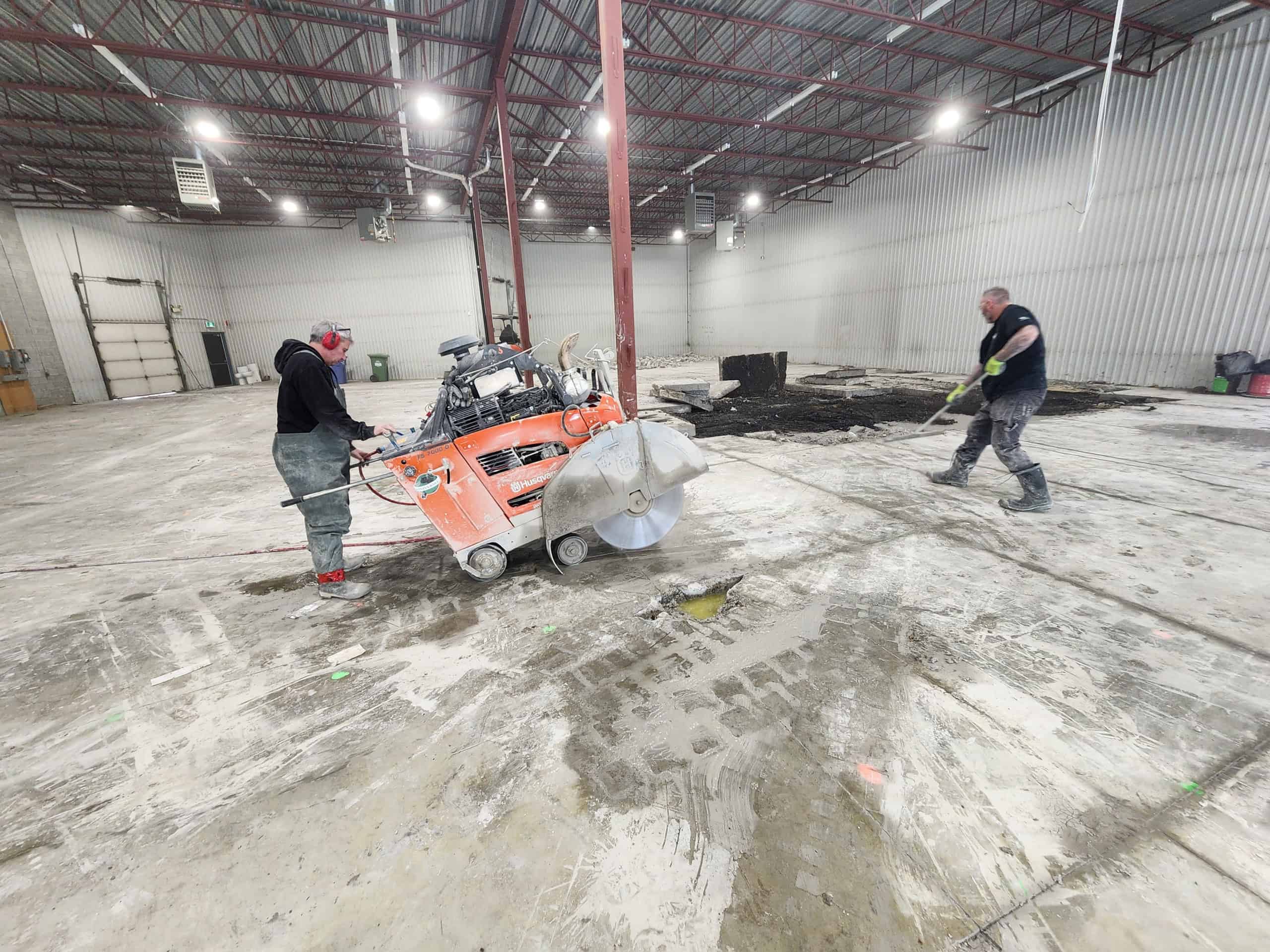
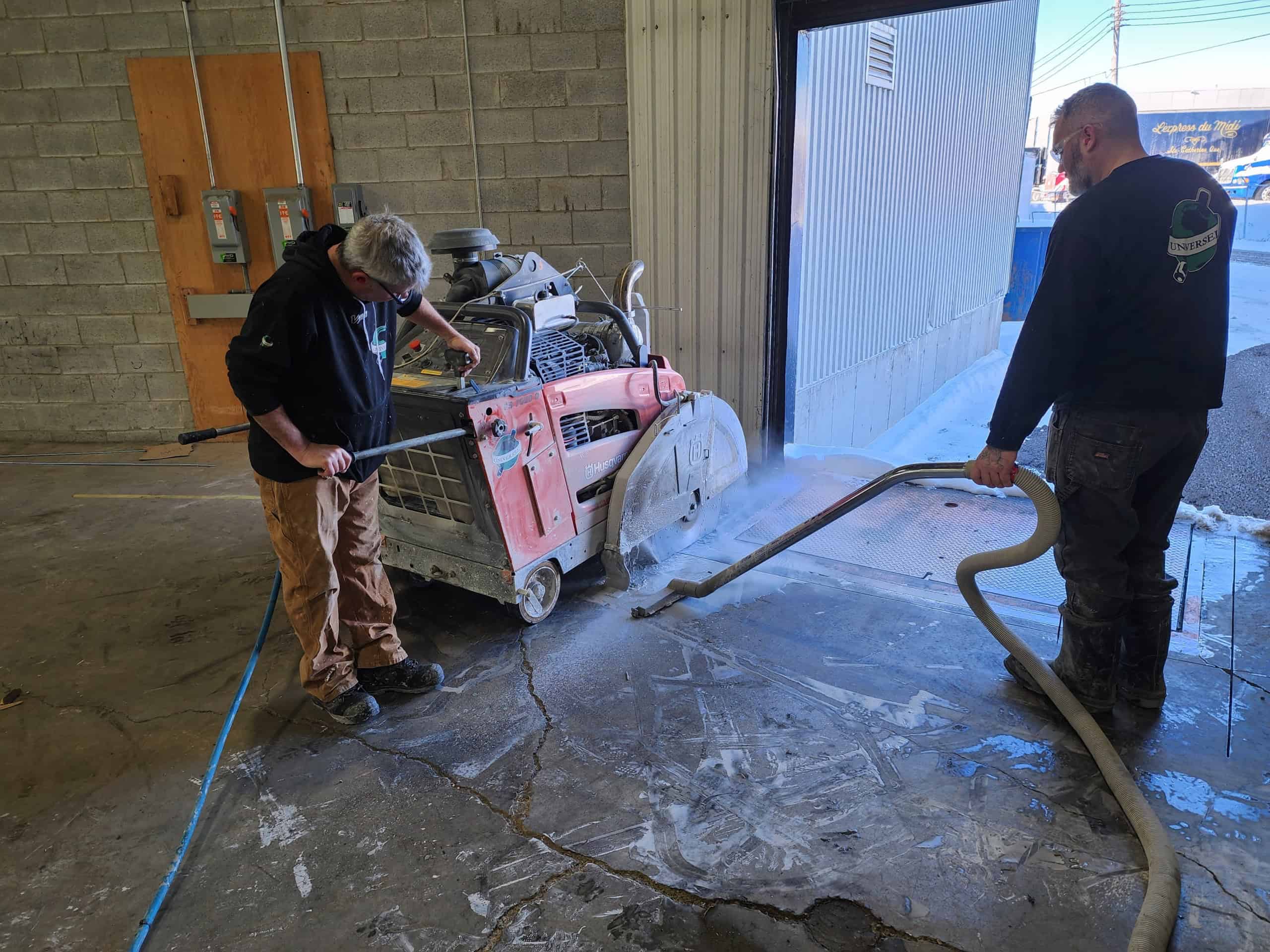
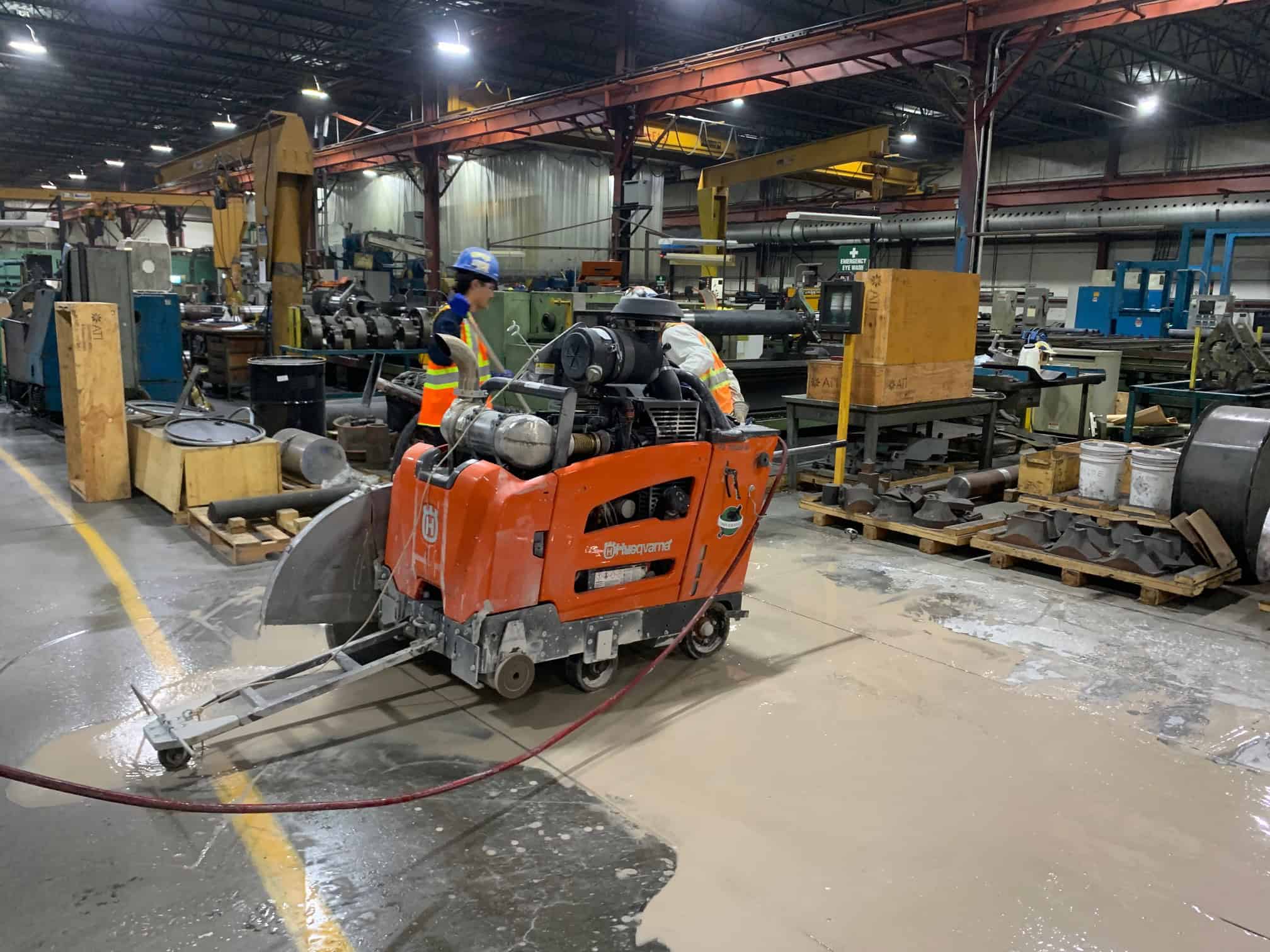
The Complete Guide to Concrete Sawing: Techniques, Tools, and Applications Concrete sawing is an essential construction and renovation technique that involves cutting through concrete structures using specialized equipment. Whether you're a contractor, DIY enthusiast, or property owner planning a renovation project, understanding the fundamentals of concrete sawing can save you time, money, and ensure professional results. This comprehensive guide will walk you through everything you need to know about concrete sawing, from basic techniques to advanced applications, helping you make informed decisions for your next project. What is Concrete Sawing? Concrete sawing, also known as concrete cutting, is the process of cutting through concrete using diamond-tipped blades or other specialized cutting tools. This technique allows for precise cuts in concrete structures without causing damage to surrounding areas, making it invaluable for renovation, demolition, and construction projects. The process involves using powerful saws equipped with diamond blades that can slice through reinforced concrete, creating clean, accurate cuts for various applications such as doorways, windows, utility trenches, and decorative patterns. Types of Concrete Sawing Understanding the different types of concrete sawing is crucial for selecting the right method for your specific project needs. Each type offers unique advantages and is suited for particular applications. 1. Flat Sawing (Slab Sawing) Flat sawing is the most common type of concrete cutting, performed on horizontal surfaces such as floors, bridge decks, and pavement. This method uses a walk-behind saw or ride-on saw with a diamond blade that cuts downward into the concrete. Key Features: Ideal for cutting expansion joints Perfect for creating openings in concrete slabs Commonly used in road construction and repair Can achieve depths up to 24 inches or more Applications: Removing damaged concrete sections Creating control joints in new concrete Cutting openings for utilities Preparing surfaces for overlays 2. Wall Sawing Wall sawing involves cutting vertical or angled surfaces using a track-mounted saw system. This method provides exceptional precision and can handle both reinforced and non-reinforced concrete walls. Key Features: Mounted on a track system for stability Can cut at various angles Suitable for thick concrete walls Produces minimal dust and debris Applications: Creating doorways and windows HVAC openings Stairwell modifications Architectural renovations 3. Wire Sawing Wire sawing utilizes a diamond wire loop to cut through extremely thick concrete sections or when access is limited. This method is particularly effective for large-scale demolition projects and complex cutting scenarios. Key Features: Can cut through virtually any thickness Minimal space requirements Suitable for irregular shapes Excellent for underwater cutting Applications: Bridge demolition Large structural removals Cutting around rebar and post-tensioned cables Confined space operations 4. Core Drilling While technically drilling rather than sawing, core drilling is often grouped with concrete sawing services. This method creates precise circular holes in concrete using hollow diamond core bits. Key Features: Creates perfectly round holes Available in various diameters Can drill at any angle Minimal structural impact Applications: Plumbing and electrical installations Anchor bolt placement Sampling and testing Utility penetrations 5. Chain Sawing Chain sawing uses a diamond chain wrapped around a guide bar, similar to a chainsaw but designed specifically for concrete. This method is ideal for cutting in tight spaces or when portability is essential. Key Features: Highly portable Excellent for confined spaces Can cut irregular shapes Suitable for emergency situations Applications: Rescue operations Tight space cutting Curved cuts Emergency access creation Choosing the Right Concrete Sawing Method Selecting the appropriate concrete sawing technique depends on several factors: Project Requirements Consider the size, depth, and complexity of your cuts. Simple straight cuts might only require flat sawing, while complex architectural modifications may need wall sawing or wire sawing. Access Limitations Evaluate the available space around your cutting area. Confined spaces may require chain sawing or wire sawing, while open areas can accommodate larger equipment. Concrete Thickness The thickness of your concrete will largely determine which method is feasible. Thin slabs work well with flat sawing, while extremely thick sections may require wire sawing. Precision Requirements Projects requiring high precision, such as architectural work, benefit from track-mounted systems like wall sawing, while general construction may use more basic flat sawing techniques. Safety Considerations in Concrete Sawing Safety should always be the top priority when performing concrete sawing operations. Here are essential safety measures: Personal Protective Equipment (PPE) Safety glasses or face shields Hearing protection Dust masks or respirators Steel-toed boots Hard hats Cut-resistant gloves Environmental Safety Ensure adequate ventilation Use dust collection systems when possible Implement proper water management for wet cutting Secure the work area to prevent accidents Equipment Safety Regular blade inspection and replacement Proper equipment maintenance Following manufacturer guidelines Using appropriate cutting speeds and pressures Benefits of Professional Concrete Sawing While some concrete sawing tasks can be DIY projects, professional services offer significant advantages: Expertise and Experience Professional contractors understand the nuances of different types of concrete sawing and can recommend the best approach for your specific project. Specialized Equipment Professionals have access to high-quality, well-maintained equipment that produces better results than rental tools. Time and Cost Efficiency Experienced operators work faster and more efficiently, often completing projects in less time with better results. Safety and Insurance Professional services carry insurance and follow strict safety protocols, protecting you from liability. Common Applications for Concrete Sawing Understanding where concrete sawing is commonly used can help you identify opportunities in your own projects: Residential Applications Creating openings for doors and windows Installing utilities and plumbing Removing damaged concrete sections Creating decorative patterns in driveways Commercial Applications Building renovations and expansions Installing HVAC systems Creating loading dock modifications Parking lot repairs and modifications Industrial Applications Factory floor modifications Heavy equipment installation Structural modifications Emergency access creation Maintenance and Care of Concrete Sawing Equipment Proper maintenance ensures optimal performance and extends equipment life: Blade Maintenance Regular inspection for wear and damage Proper storage to prevent warping Correct mounting and tensioning Timely replacement when worn Equipment Care Regular cleaning after use Proper lubrication of moving parts Storage in dry, secure locations Professional servicing as recommended Cost Factors in Concrete Sawing Several factors influence the cost of concrete sawing projects: Project Complexity Simple straight cuts cost less than complex shapes or precision work. Concrete Thickness Thicker concrete requires more time and potentially different equipment. Access Difficulty Hard-to-reach areas may require specialized equipment and techniques. Timeline Requirements Rush jobs typically cost more than projects with flexible schedules. Future Trends in Concrete Sawing The concrete sawing industry continues to evolve with new technologies and techniques: Advanced Diamond Technology Improvements in diamond blade technology are increasing cutting speed and blade life. Robotic Systems Automated sawing systems are becoming more common for repetitive tasks. Environmental Considerations New techniques focus on reducing dust, noise, and environmental impact. Precision Technology GPS and laser guidance systems are improving cutting accuracy. Conclusion Understanding the various types of concrete sawing and their applications is essential for anyone involved in construction, renovation, or maintenance projects. From flat sawing for basic slab work to wire sawing for complex demolition, each method offers unique advantages for specific situations. Whether you're planning a small residential project or a large commercial renovation, choosing the right concrete sawing technique can make the difference between a successful project and costly complications. Consider factors such as access, precision requirements, safety concerns, and budget when making your decision. For complex projects or when precision is critical, consulting with professional concrete sawing contractors can provide valuable expertise and ensure optimal results. Their knowledge of different cutting methods, safety protocols, and specialized equipment can save time, money, and prevent potential problems. By understanding these fundamentals of concrete sawing, you're better equipped to make informed decisions for your next project, ensuring safe, efficient, and professional results that meet your specific needs and requirements.
SCIAGE DE BÉTON
SCIAGE DE BÉTON
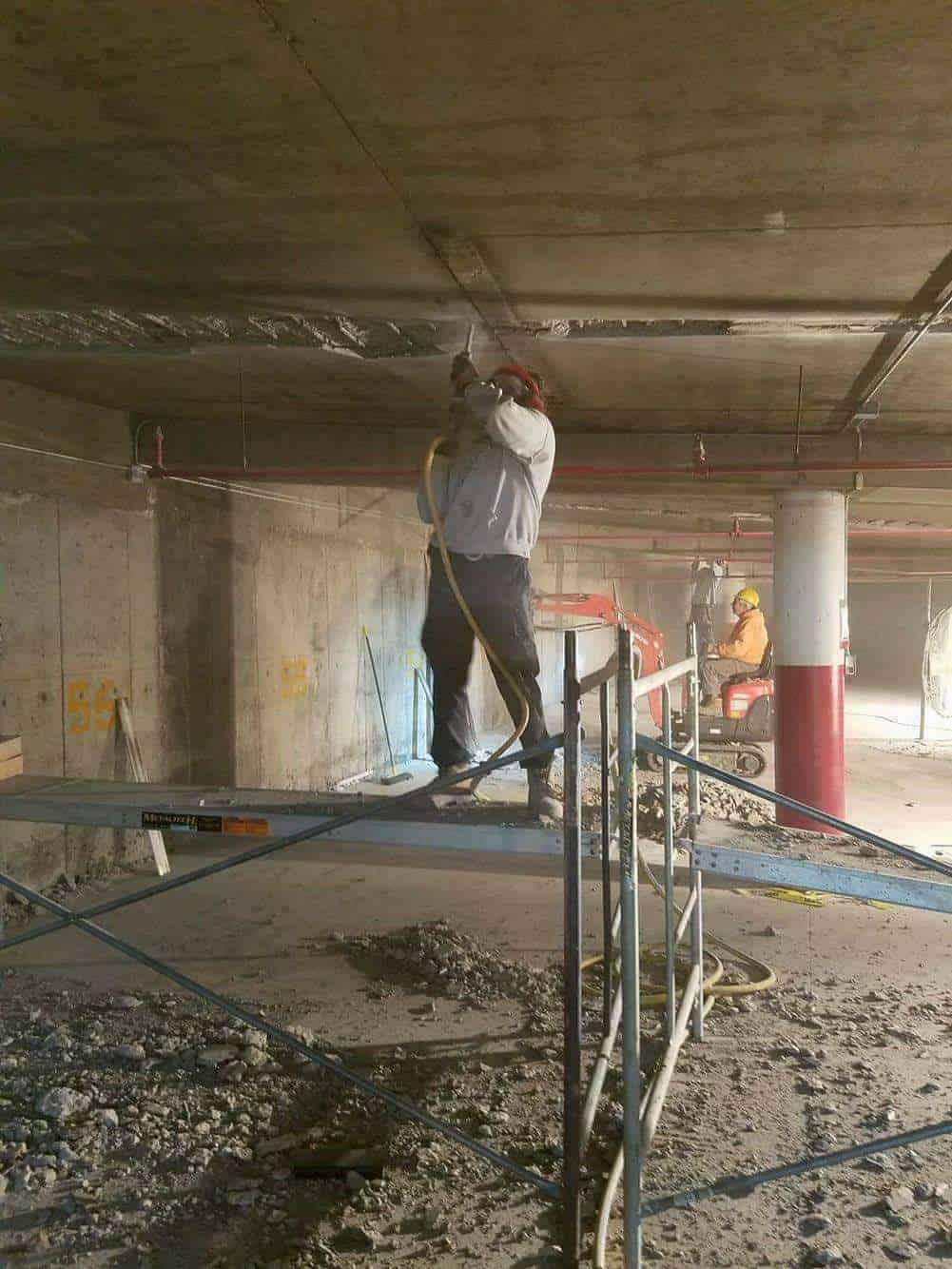
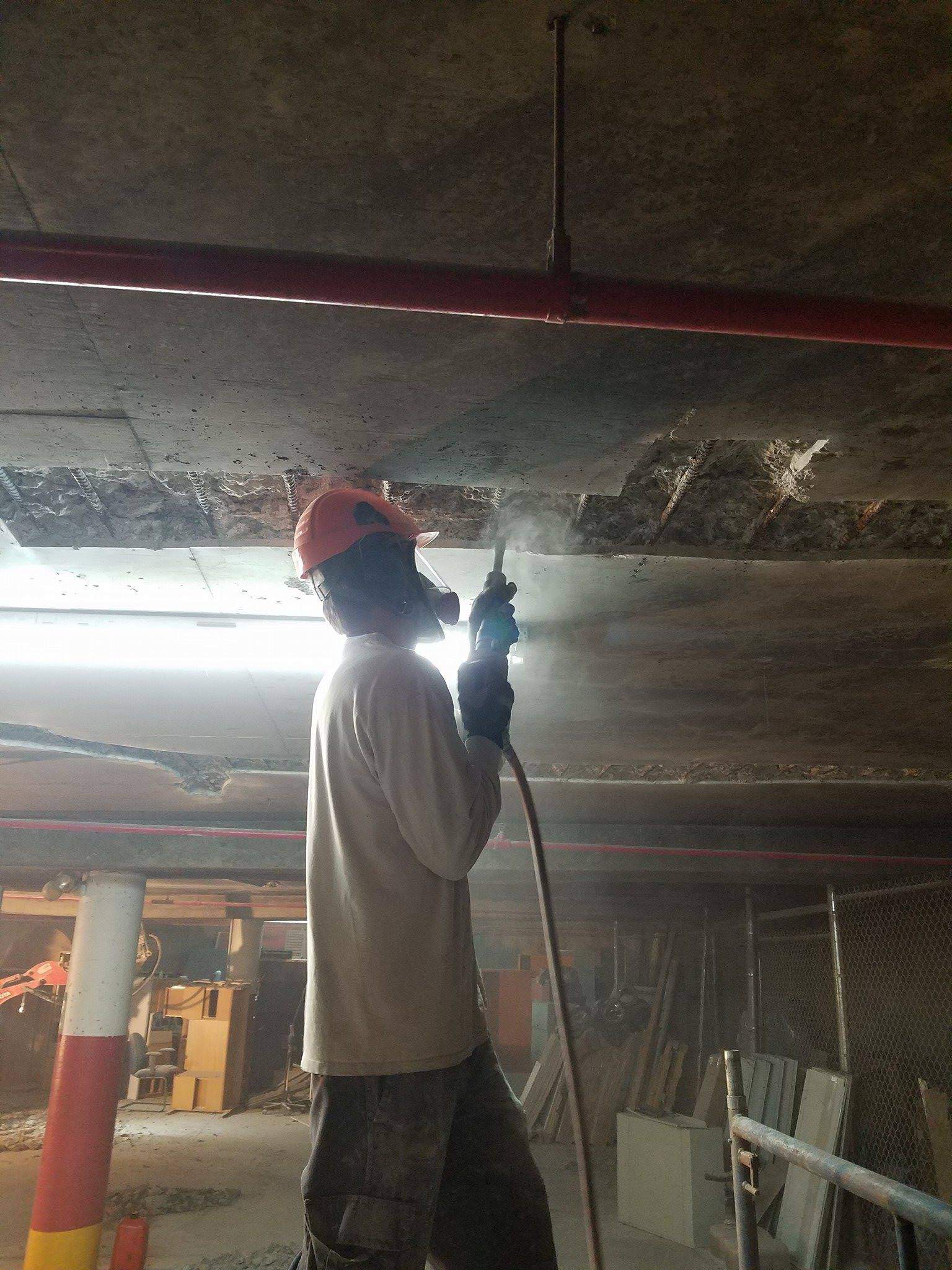
CONCRETE PARKING GARAGE REPAIR
CONCRETE PARKING GARAGE REPAIR CONTRACTOR

Get A Free Quotation

LLMs
© Copyright - Les Services de Béton Universel Ltée (Entrepôt / Warehouse), 6 - 1801, Rue Chicoine. Vaudreuil-Dorion QC, J7V 8P2, T: 1855 613 4773
  • Instagram
  • Facebook
Scroll to top