• Instagram
  • Facebook
1855 613 4773
Entrepreneur en Béton | Les Services de Béton Universel Ltée (Entrepôt / Warehouse)
  • Acceuil
  • Construction de dalle de béton
  • Réfection de stationnement
  • Réparation de béton
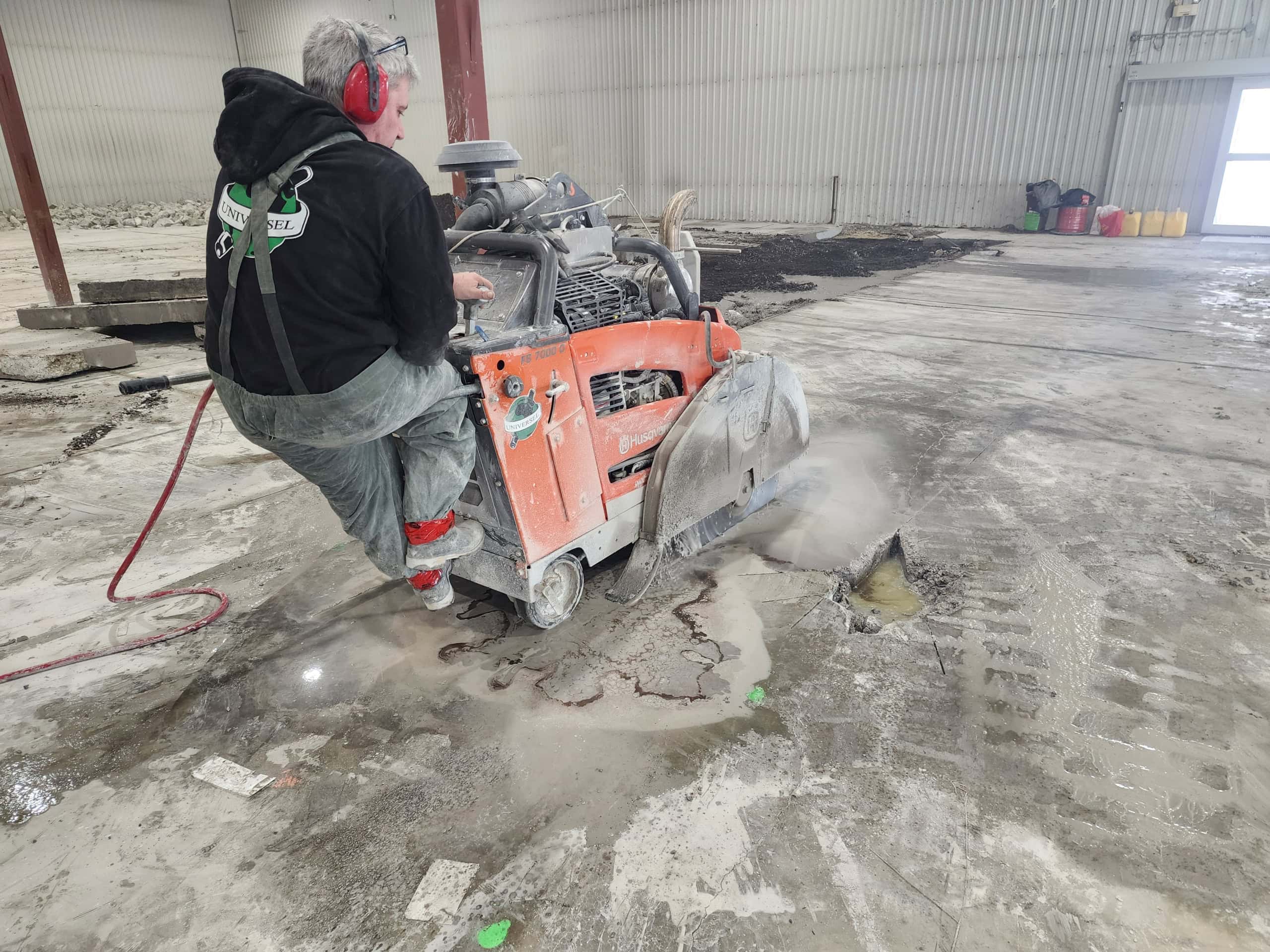
  • Sciage de béton / Forage de béton
  • Préparation des Surfaces en Béton
  • Décontamination de pyrite
  • Réalisations
  • Entrepreneur en Béton – Contact
  • Search
  • Menu Menu
English

Travaux de béton industriels

(Réalisations)

1855 613 4773
Demande D’information

Les Services de Béton Universel : Votre Partenaire de Confiance pour Tous Vos Projets en Béton

Découvrez l’Excellence en Matière de Services de Béton au Québec

Les Services de Béton Universel représentent la solution complète pour tous vos besoins en construction et rénovation utilisant le béton. Que vous soyez un particulier, un entrepreneur ou une entreprise, notre expertise couvre l’ensemble des applications du béton résidentiel, commercial et industriel.


Pourquoi Choisir Les Services de Béton Universel ?

✅ Expertise Reconnue Depuis Plus de 7 Ans

Notre équipe de professionnels certifiés maîtrise toutes les techniques modernes du béton, garantissant des résultats durables et conformes aux normes les plus strictes.

✅ Gamme Complète de Services

• Fondations en béton pour machine

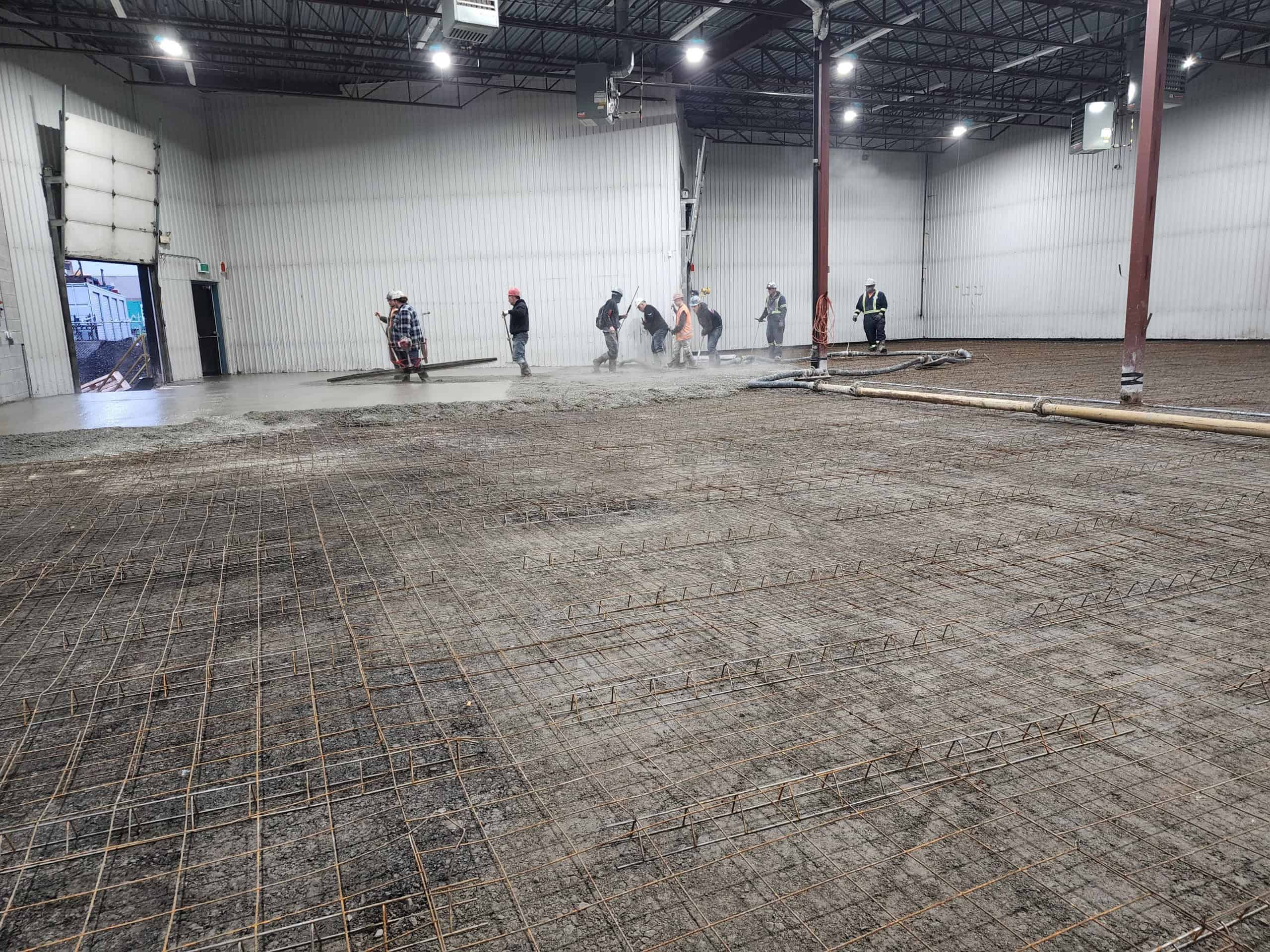
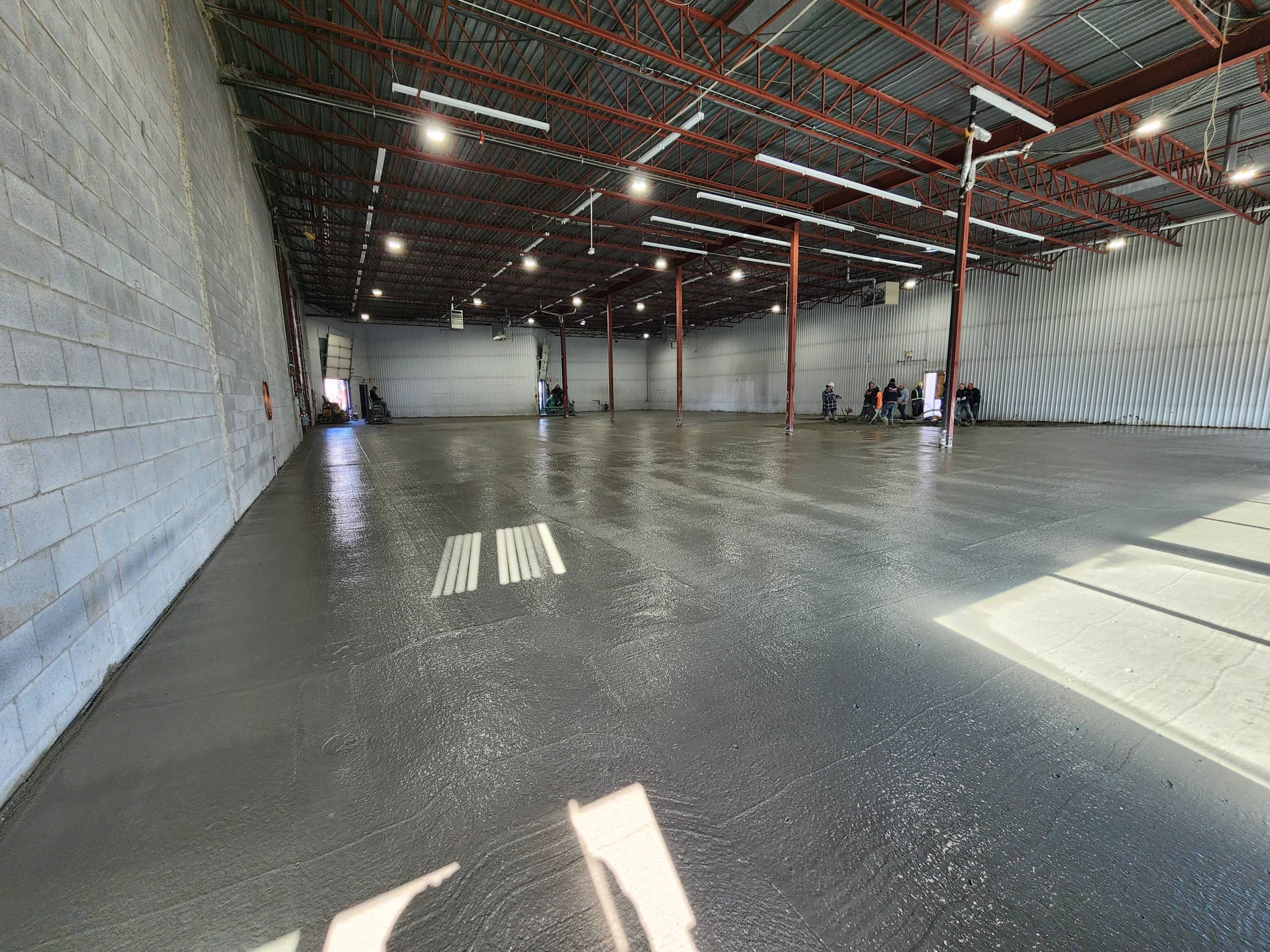
• Dalles de béton intérieures et extérieures

• Réfection des stationnements en béton

• Sciage de béton | Forage de béton

• Murs de soutènement

• Préparation des surfaces en béton en Meulage de Béton

• Réparation de béton

✅ Matériaux de Qualité Supérieure

Nous utilisons exclusivement des bétons certifiés, respectueux de l’environnement et adaptés aux conditions climatiques du Québec.


Nos Domaines d’Expertise

🏢 Commercial et Industriel

Pour les projets d’envergure, nous offrons :

• Planchers industriels haute résistance • Aires de stationnement étendues • Quais de chargement renforcés • Structures spécialisées selon vos besoins


Notre Processus de Travail Éprouvé

1. Consultation Gratuite

Évaluation complète de votre projet et conseils personnalisés

2. Devis Détaillé

Estimation précise incluant matériaux, main-d’œuvre et délais

3. Planification Rigoureuse

Coordination avec vos autres corps de métier

4. Exécution Professionnelle

Respect des délais et des standards de qualité

5. Garantie et Suivi

Service après-vente et garanties étendues


Avantages Exclusifs des Services de Béton Universel

🎯 Rapidité d’Exécution

Équipes multiples pour respecter vos échéanciers les plus serrés

🎯 Prix Compétitifs

Rapport qualité-prix imbattable grâce à nos volumes d’achats

🎯 Service Clé en Main

De la conception à la finition, nous gérons tout

🎯 Disponibilité 7j/7

Service d’urgence pour réparations critiques


Zones de Service

Nous desservons l’ensemble de la région métropolitaine et les secteurs avoisinants :

• Montréal et ses arrondissements

• Rive-Sud (Longueuil, Brossard, Saint-Hubert)

• Rive-Nord (Laval, Blainville, Boisbriand)

• Montérégie et Laurentides


Certifications et Assurances

• Licence RBQ en règle

• Assurance responsabilité 2M$


Demandez Votre Soumission Gratuite Aujourd’hui

📞 Contactez-Nous Maintenant

Téléphone : 1855 613 4773
Courriel : info@lsbu.ca
Urgences 24h : 1855 613 4773 Ext # 3

🌐 Consultation en Ligne

Remplissez notre formulaire sécurisé pour recevoir votre estimation détaillée sous 24h.


Engagement Qualité

Les Services de Béton Universel s’engagent à :

✓ Respecter tous les délais convenus
✓ Utiliser uniquement des matériaux certifiés
✓ Maintenir les plus hauts standards de sécurité
✓ Offrir des garanties étendues sur tous nos travaux
✓ Assurer un service client exceptionnel


Faites confiance aux experts des Services de Béton Universel pour la réussite de votre prochain projet. Contactez-nous dès aujourd’hui pour découvrir comment nous pouvons transformer vos idées en réalisations durables et esthétiques.
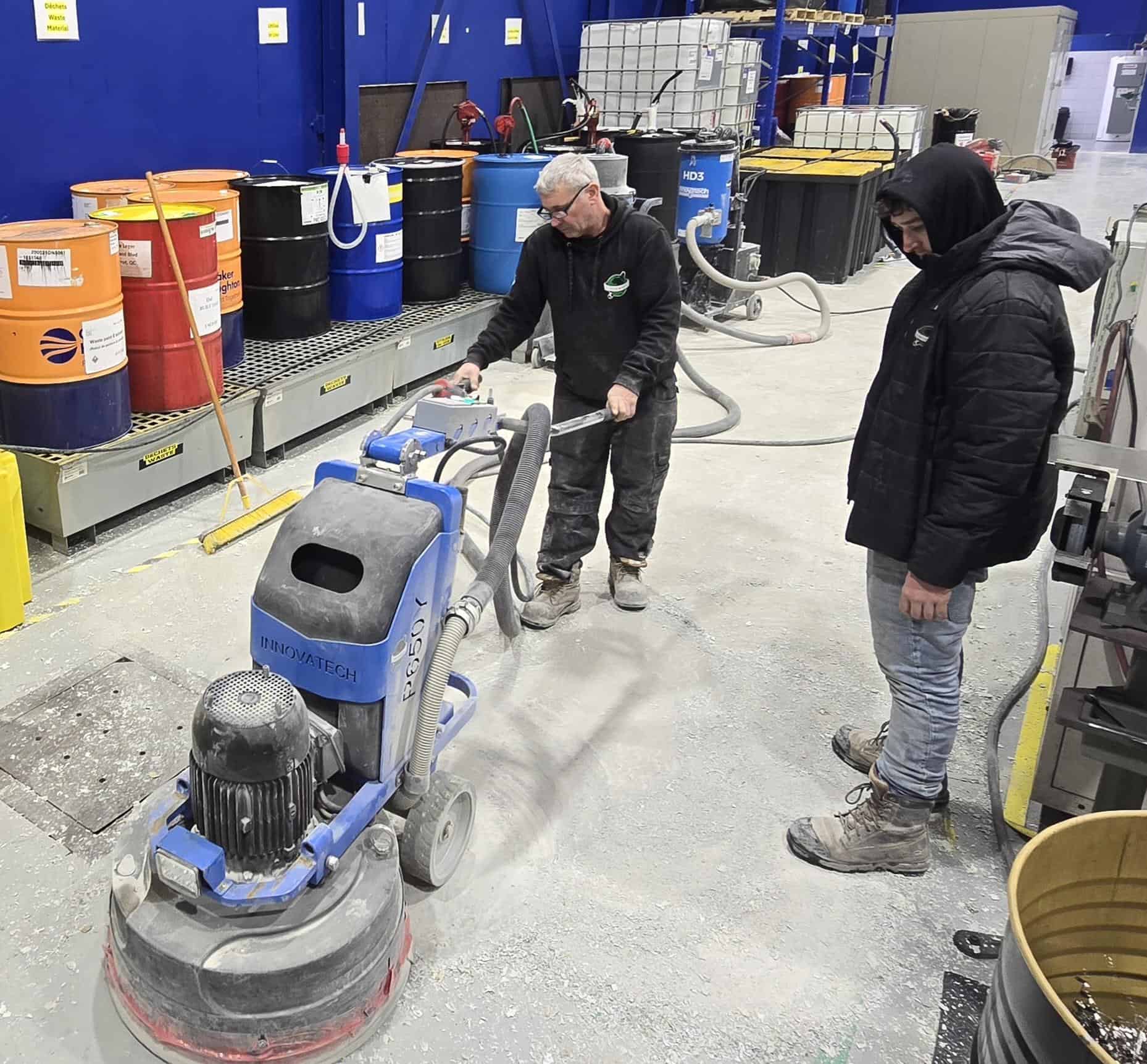
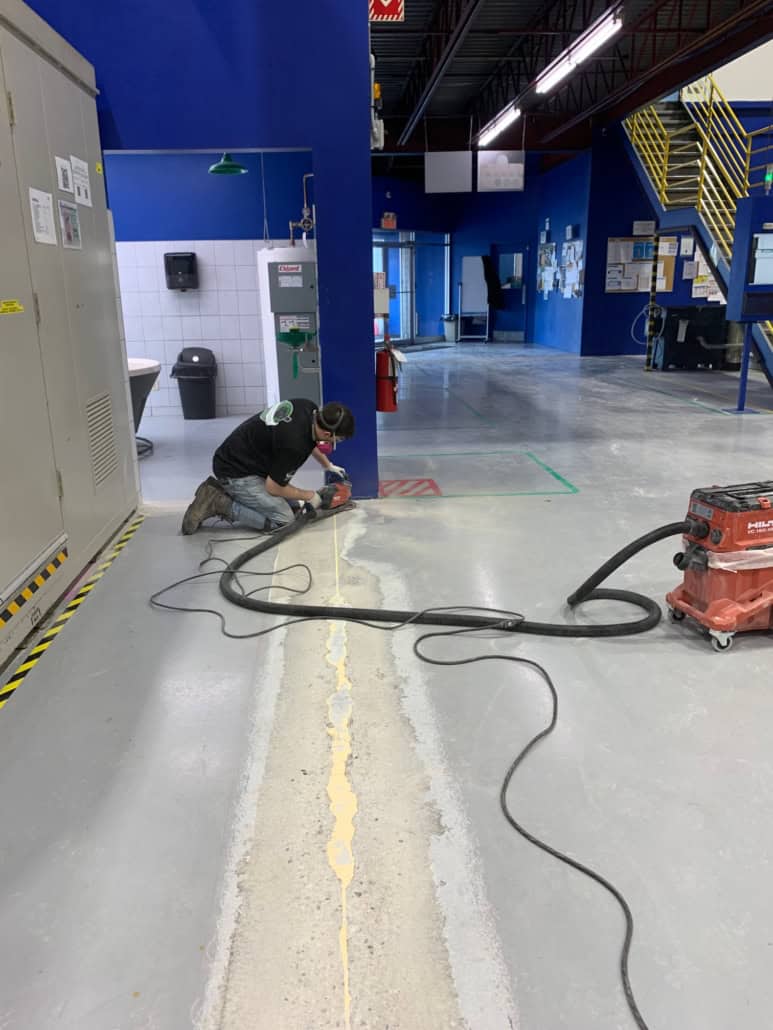
Industrial Concrete Slab Grinding: Complete Guide to Professional Floor Preparation Industrial concrete slab grinding has become an essential process for businesses looking to achieve smooth, level, and durable concrete surfaces. Whether you're preparing floors for new coatings, removing imperfections, or creating specific surface profiles, understanding the intricacies of this specialized technique is crucial for successful project outcomes. What is Industrial Concrete Slab Grinding? Industrial concrete slab grinding is a mechanical process that uses specialized diamond grinding equipment to remove surface irregularities, coatings, and contaminants from concrete floors. This technique involves using rotating diamond-embedded discs or segments to systematically abrade the concrete surface, creating a uniform and properly prepared substrate. The process serves multiple purposes in industrial settings: Surface leveling and smoothing Removal of existing coatings or sealers Creation of specific surface profiles for adhesion Elimination of surface defects and imperfections Preparation for new flooring systems When Do You Need Industrial Concrete Slab Grinding? Surface Preparation Requirements Industrial concrete slab grinding becomes necessary in several scenarios: New Construction Projects: Removing construction debris and surface contamination Eliminating high spots and ridges from concrete pours Creating proper surface profiles for coating adhesion Achieving specified flatness tolerances Renovation and Maintenance: Removing old paint, epoxy, or other floor coatings Correcting uneven or damaged concrete surfaces Preparing floors for new industrial coatings Addressing surface wear and deterioration Industry-Specific Applications Different industries have unique requirements for industrial concrete slab grinding: Manufacturing Facilities: Heavy machinery requires perfectly level surfaces Chemical resistance preparations Anti-slip surface creation Warehouses and Distribution Centers: High-traffic area preparation Forklift-resistant surface creation Dust reduction requirements Food Processing Plants: Sanitary surface preparation Seamless floor requirements Chemical-resistant coating preparation The Industrial Concrete Slab Grinding Process Equipment and Tools Professional industrial concrete slab grinding requires specialized equipment: Primary Grinding Equipment: Walk-behind concrete grinders (7-27 HP) Ride-on grinding machines (25-75 HP) Planetary grinding systems Edge grinders for perimeter work Diamond Tooling: Metal-bonded diamond segments for aggressive grinding Resin-bonded diamonds for fine finishing Various grit sizes (16-3000 grit) Specialized profiles for different applications Support Equipment: Industrial dust collection systems Surface preparation tools Measuring and leveling instruments Safety equipment and protective gear Step-by-Step Process Phase 1: Assessment and Preparation Before beginning industrial concrete slab grinding, thorough preparation is essential: Surface Inspection: Identify high and low spots Locate existing coatings or contaminants Check for structural issues or cracks Determine required surface profile Area Preparation: Remove all furniture and equipment Clean the surface of debris and loose materials Protect adjacent areas and equipment Ensure proper ventilation Phase 2: Initial Grinding The actual industrial concrete slab grinding process begins with: Coarse Grinding: Use aggressive diamond tooling (16-40 grit) Remove major imperfections and coatings Establish initial surface profile Work in systematic patterns Progressive Refinement: Gradually move to finer grits (80-120 grit) Smooth out grinding marks Achieve desired surface profile Maintain consistent overlap patterns Phase 3: Final Processing The completion of industrial concrete slab grinding involves: Fine Grinding: Use fine diamond tooling (200-400 grit) Remove all visible grinding marks Achieve specified smoothness Prepare for coating application Quality Control: Measure surface flatness Check for remaining imperfections Verify surface profile requirements Document completion standards Benefits of Professional Industrial Concrete Slab Grinding Enhanced Durability Properly executed industrial concrete slab grinding provides numerous advantages: Improved Surface Integrity: Eliminates weak surface layers Creates uniform substrate conditions Reduces potential failure points Extends overall floor lifespan Better Coating Adhesion: Optimal surface profile for bonding Removal of contamination barriers Consistent surface energy Reduced coating failure risk Cost-Effectiveness Industrial concrete slab grinding offers significant economic benefits: Long-term Savings: Reduces need for frequent repairs Minimizes coating system failures Decreases maintenance requirements Extends service intervals Improved Productivity: Creates safer working surfaces Reduces equipment wear Minimizes downtime Enhances operational efficiency Choosing the Right Grinding Approach Surface Profile Requirements Different applications require specific approaches to industrial concrete slab grinding: Light Grinding (CSP 1-2): Minimal surface preparation Removal of laitance only Suitable for penetrating sealers Maintains smooth finish Medium Grinding (CSP 3-4): Moderate surface preparation Standard coating applications Balanced adhesion and smoothness Most common requirement Aggressive Grinding (CSP 5-6): Heavy-duty applications Maximum coating adhesion High-stress environments Specialized coating systems Environmental Considerations Modern industrial concrete slab grinding must address environmental concerns: Dust Control: HEPA filtration systems Wet grinding techniques Containment procedures Air quality monitoring Waste Management: Proper disposal of grinding residue Recycling of diamond tooling Contaminated material handling Environmental compliance Quality Assurance and Standards Testing and Verification Professional industrial concrete slab grinding includes comprehensive quality control: Surface Profile Testing: Replica tape measurements Digital profile gauges Visual comparison standards Documentation requirements Flatness Verification: Straightedge measurements Laser level surveys Statistical analysis Tolerance compliance Industry Standards Industrial concrete slab grinding must meet various industry standards: ICRI Guidelines: Surface preparation standards Profile classification systems Quality control procedures Best practice recommendations ASTM Standards: Testing methodologies Material specifications Performance criteria Safety requirements Maintenance and Long-term Care Post-Grinding Maintenance After industrial concrete slab grinding, proper maintenance ensures optimal performance: Immediate Care: Thorough cleaning of grinding residue Surface moisture management Protection from contamination Preparation for coating application Ongoing Maintenance: Regular surface inspections Prompt repair of damage Proper cleaning procedures Periodic re-evaluation Performance Monitoring Long-term success of industrial concrete slab grinding requires ongoing assessment: Regular Inspections: Surface condition monitoring Coating system evaluation Wear pattern analysis Preventive maintenance planning Conclusion Industrial concrete slab grinding represents a critical investment in the long-term performance and durability of industrial concrete floors. When executed by experienced professionals using proper equipment and techniques, this process creates superior surfaces that enhance safety, productivity, and operational efficiency. The success of any industrial concrete slab grinding project depends on thorough planning, proper equipment selection, skilled execution, and adherence to industry standards. By understanding the complexities and requirements of this specialized process, facility managers and contractors can make informed decisions that deliver lasting value and performance. Whether preparing surfaces for new coatings, correcting existing problems, or maintaining critical industrial floors, professional industrial concrete slab grinding provides the foundation for successful, long-lasting flooring systems that meet the demanding requirements of modern industrial environments.
concrete surface preparation
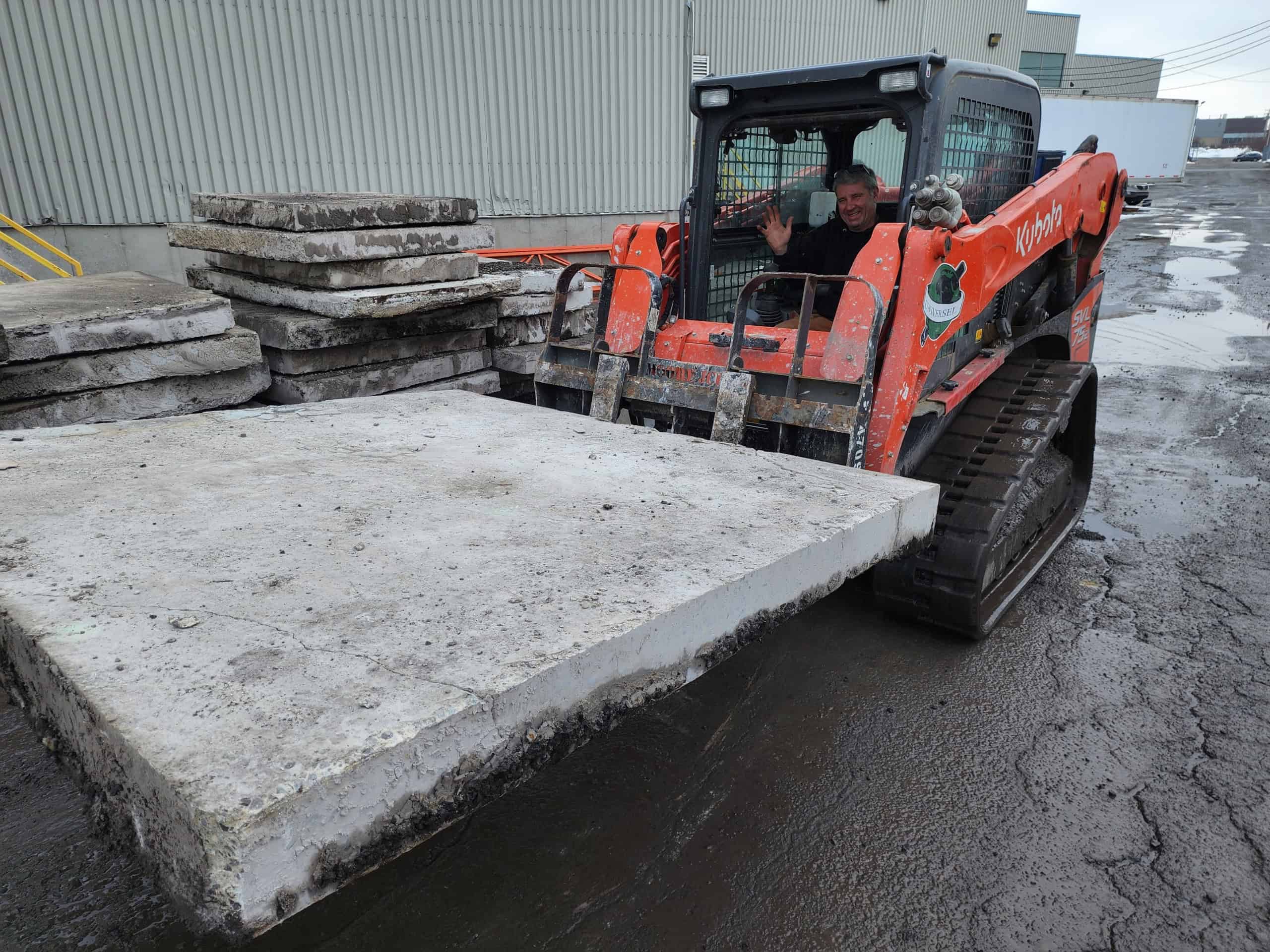
Complete Guide to Concrete Demolition: Methods, Tools, and Best Practices Concrete demolition is a critical process in construction and renovation projects that requires careful planning, the right equipment, and proper safety measures. Whether you're removing an old driveway, breaking down walls, or clearing space for new construction, understanding the fundamentals of concrete removal can save time, money, and ensure project success. What Is Concrete Demolition? Concrete demolition refers to the systematic process of breaking down, removing, and disposing of concrete structures. This process involves more than simply swinging a sledgehammer – it requires strategic planning, specialized equipment, and knowledge of various concrete demolition methods to ensure efficient and safe removal. The complexity of concrete demolition varies significantly depending on the structure's size, reinforcement, location, and surrounding environment. From small residential projects to large commercial demolitions, each job demands a tailored approach. Essential Concrete Demolition Methods Understanding different concrete demolition methods is crucial for selecting the most appropriate technique for your specific project. Each method offers unique advantages and is suited for different scenarios. 1. Mechanical Demolition Mechanical demolition is the most common approach for large-scale concrete removal projects. This method utilizes heavy machinery and equipment to break down concrete structures efficiently. Equipment used in mechanical demolition: Excavators with hydraulic breakers Bulldozers Wrecking balls Concrete crushers Skid steers with demolition attachments This method is ideal for large structures, foundations, and projects where speed is essential. However, it requires adequate space for equipment operation and may not be suitable for precision work or confined spaces. 2. Hand Demolition Hand demolition involves using manual tools and smaller equipment to remove concrete. This method offers greater precision and control, making it perfect for selective demolition or working in tight spaces. Common hand demolition tools: Sledgehammers Jackhammers Concrete saws Chisels and wedges Pry bars Electric or pneumatic breakers Hand demolition is typically more labor-intensive and time-consuming but allows for careful removal around utilities, in occupied buildings, or when preserving adjacent structures. 3. Controlled Demolition with Explosives For large-scale projects involving massive concrete structures, controlled explosive demolition may be the most efficient option. This method requires specialized expertise and extensive safety precautions. Key considerations for explosive demolition: Requires licensed demolition experts Extensive planning and permits needed Strict safety protocols must be followed Environmental impact assessments required Limited to specific project types and locations 4. Chemical Demolition Chemical demolition agents offer a quiet, vibration-free alternative to traditional methods. These expansive chemicals are mixed with water and poured into drilled holes, where they expand and crack the concrete. Benefits of chemical demolition: Minimal noise and vibration Precise control over demolition area Safe for use near sensitive structures Environmentally friendly options available Ideal for residential areas with noise restrictions Factors to Consider When Choosing Demolition Methods Selecting the appropriate concrete demolition method depends on several critical factors that must be evaluated before beginning any project. Project Size and Scope The scale of your demolition project significantly influences method selection. Large commercial buildings may require mechanical demolition with heavy equipment, while small residential projects might be better suited for hand demolition techniques. Location and Access Consider the accessibility of the demolition site. Urban environments with limited space may require hand demolition or smaller equipment, while rural locations with ample space can accommodate larger machinery. Surrounding Structures The proximity of other buildings, utilities, or sensitive structures affects method selection. Projects near occupied buildings often require quieter, more controlled approaches to minimize disruption and prevent damage. Timeline and Budget Different concrete demolition methods vary significantly in cost and completion time. Mechanical demolition typically offers faster results but may require higher equipment costs, while hand demolition is more labor-intensive but may be more cost-effective for smaller projects. Environmental Considerations Environmental factors such as dust control, noise restrictions, and waste disposal requirements can influence method selection. Some areas have strict regulations governing demolition activities, particularly regarding noise levels and operating hours. Safety Considerations in Concrete Demolition Safety should always be the top priority in any concrete demolition project. Proper safety measures protect workers, bystanders, and surrounding property. Personal Protective Equipment (PPE) All demolition workers must wear appropriate PPE, including: Hard hats Safety glasses or face shields Hearing protection Dust masks or respirators Steel-toed boots High-visibility clothing Cut-resistant gloves Site Preparation and Safety Measures Before beginning demolition work, implement comprehensive safety measures: Conduct thorough site surveys to identify hazards Locate and mark all utilities Establish safety perimeters Install protective barriers and warning signs Develop emergency response procedures Ensure proper ventilation in enclosed areas Structural Assessment Professional structural assessment is crucial before demolition begins. This evaluation identifies load-bearing elements, potential hazards, and the safest sequence for removal. Planning Your Concrete Demolition Project Successful concrete demolition requires thorough planning and preparation. A well-developed plan ensures efficient execution, safety compliance, and cost control. Permits and Regulations Check local building codes and regulations to determine required permits. Many jurisdictions require demolition permits, especially for structural elements or projects exceeding certain sizes. Utility Location and Disconnection Contact utility companies to locate and mark underground lines before beginning demolition. Disconnect or relocate utilities as necessary to prevent damage and ensure worker safety. Waste Management and Disposal Develop a comprehensive waste management plan that includes: Concrete recycling options Proper disposal methods for contaminated materials Container rental and removal schedules Compliance with local waste disposal regulations Equipment and Labor Requirements Determine the appropriate equipment and workforce needed based on your chosen demolition method. Consider equipment rental costs, operator requirements, and project timeline when making these decisions. Environmental Impact and Sustainability Modern concrete demolition practices increasingly focus on environmental responsibility and sustainability. Implementing eco-friendly approaches benefits both the environment and project economics. Concrete Recycling Recycling demolished concrete offers significant environmental and economic benefits: Reduces landfill waste Provides aggregate for new construction projects Lowers disposal costs Supports sustainable construction practices Dust and Noise Control Implementing effective dust and noise control measures minimizes environmental impact and maintains good community relations: Use water sprays to control dust Install sound barriers when necessary Schedule work during appropriate hours Use quieter demolition methods when possible Cost Factors in Concrete Demolition Understanding the various cost factors helps in budgeting and selecting the most cost-effective demolition approach. Labor Costs Labor represents a significant portion of demolition expenses, particularly for hand demolition methods. Factors affecting labor costs include: Project complexity Required skill level Local wage rates Project duration Safety requirements Equipment and Tool Costs Equipment costs vary widely based on the chosen demolition method: Rental rates for heavy machinery Purchase or rental of hand tools Fuel and maintenance expenses Transportation costs Disposal and Recycling Costs Waste disposal represents a significant expense in most demolition projects. Costs depend on: Local disposal fees Distance to disposal facilities Material type and contamination level Recycling opportunities Conclusion Concrete demolition is a complex process that requires careful consideration of multiple factors, from safety requirements to environmental impact. Understanding various concrete demolition methods and their applications enables informed decision-making for any project. Whether you're planning a small residential renovation or a large commercial demolition, success depends on proper planning, appropriate method selection, and strict adherence to safety protocols. By considering factors such as project scope, location constraints, budget limitations, and environmental requirements, you can select the most suitable approach for your specific needs. Remember that professional consultation is often valuable, especially for complex projects or when dealing with structural elements. Experienced demolition contractors can provide expertise in method selection, safety planning, and regulatory compliance, ensuring your project proceeds smoothly and safely. The key to successful concrete demolition lies in thorough preparation, appropriate method selection, and unwavering commitment to safety. With proper planning and execution, your concrete demolition project can be completed efficiently, safely, and within budget while minimizing environmental impact.
SCIAGE DE BÉTON
Montreal entreprise finition de beton
industrial concrete slab construction

Demande D’information

LLMs
© Copyright - Les Services de Béton Universel Ltée (Entrepôt / Warehouse), 6 - 1801, Rue Chicoine. Vaudreuil-Dorion QC, J7V 8P2, T: 1855 613 4773
  • Instagram
  • Facebook
Scroll to top